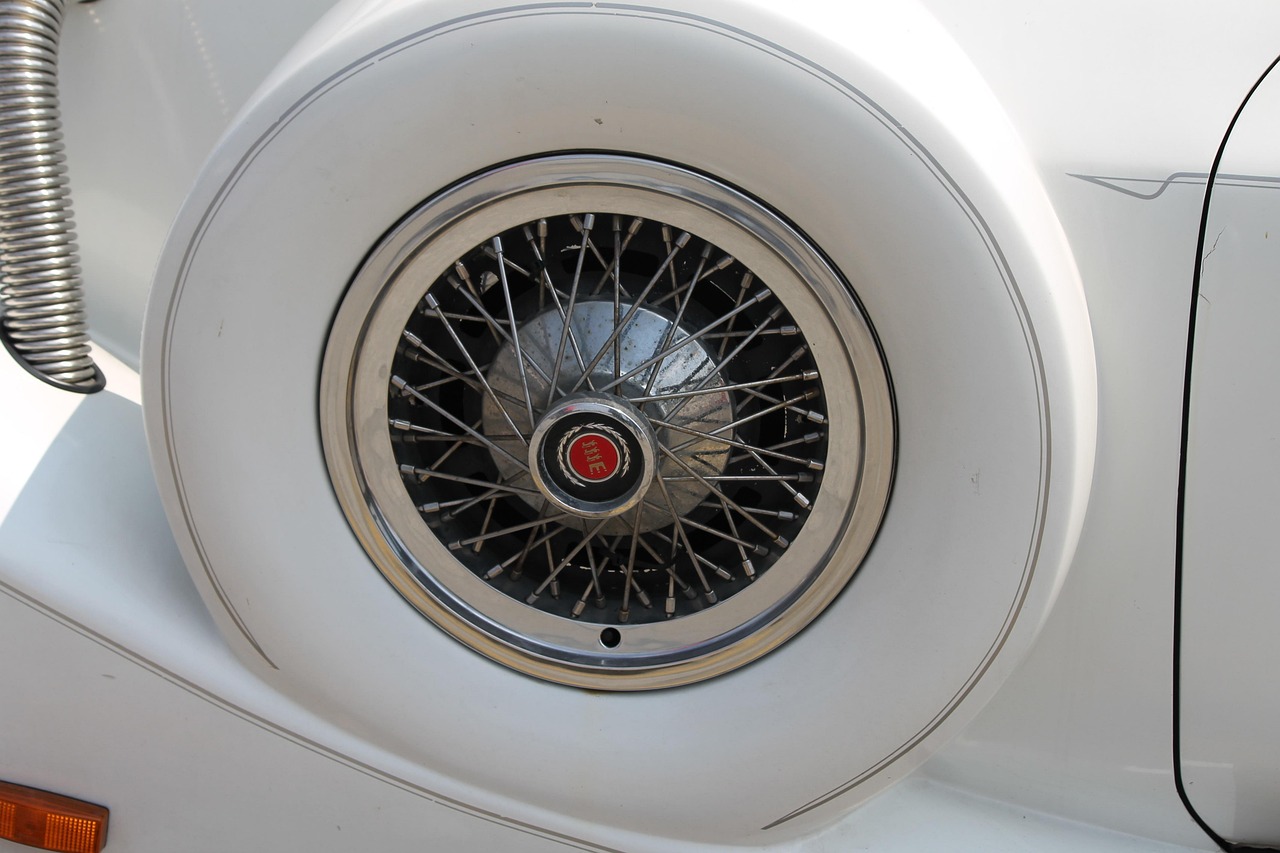
The hum of the highway, the quiet purr on a smooth city street, the reassuring grip on a wet corner—much of your car’s character, safety, and performance is communicated through a language spoken by your tires. For many drivers, however, this language feels like a code, written in cryptic sidewall numbers and mysterious tread patterns.
Choosing the right car tires is one of the most critical decisions you can make for your vehicle. It’s not merely a purchase; it’s an investment in safety, efficiency, and driving pleasure. This guide will translate the technical jargon into clear, actionable knowledge, empowering you to make an informed choice and understand the ongoing care your tires require.
Decoding the Sidewall: Your Tire’s Biography
Before exploring types and treads, understanding the sidewall is essential. This string of letters and numbers is your tire’s unique identifier, containing all its key specifications.
A common code like “P225/65R17 101H” breaks down as follows:
- P (Passenger): The tire type. “LT” denotes Light Truck.
- 225: The section width in millimeters.
- 65: The aspect ratio—the sidewall height as a percentage of the width.
- R: Radial construction, the standard for modern tires.
- 17: The wheel diameter in inches.
- 101: The load index, indicating maximum weight capacity.
- H: The speed rating, denoting the maximum sustained speed.
Always match these specifications to your vehicle manufacturer’s recommendations, found in your owner’s manual or on the driver’s side door jamb.
The Major Types of Car Tyres: Matching Rubber to Road
Not all tires are created equal. The primary categories are defined by their intended use and performance in specific conditions. Understanding these categories is the first step when you set out to buy car tires.
All-Season Tires: The Balanced Performer
As the name implies, these are designed to provide a competent, safe drive year-round in regions with mild to moderate climates. They represent the most common choice for daily drivers.
- Best For: Drivers in areas without severe winter conditions who want a single tire solution.
- Tread Pattern: Features a mix of grooves and sipes (small slits) for wet and light snow traction.
- Trade-off: They are a master of none, offering less ultimate grip in summer and less capability in heavy snow compared to specialized tires.
Summer / Performance Tires
Engineered for maximum grip, responsiveness, and handling in dry and wet conditions above 45°F (7°C). The rubber compound is softer and stickier.
- Best For: Sports cars, performance sedans, and driving enthusiasts prioritizing handling.
- Tread Pattern: Often has larger tread blocks and fewer grooves to maximize the rubber contact patch.
- Warning: They can harden and lose traction in cold temperatures and are not suitable for snow or ice.
Winter / Snow Tires
These are non-negotiable for safety in regions with harsh, snowy winters. They are made from a specially formulated rubber that remains pliable in freezing temperatures.
- Best For: Any driver facing consistent snow, ice, and sub-freezing temperatures.
- Tread Pattern: Deep, aggressive grooves and a high density of sipes to bite into snow and channel slush away.
- Key Benefit: Provide dramatically shorter stopping distances and better control on cold, slippery surfaces compared to all-season tires.
All-Terrain and Off-Road Tires
Built for trucks and SUVs that see dirt, gravel, mud, or rock. They sacrifice some on-road comfort and noise levels for rugged capability.
The Science of Sound and Grip: Tread Patterns and Rubber Compounds
The interaction between tread design and rubber composition is where engineering meets the road. This is the heart of tire performance.
How Tread Patterns Influence Noise and Safety
Tire treads are not random. They are meticulously designed to manage water, provide traction, and influence cabin noise.
- Directional Treads: Feature a V-shaped pattern that excellently channels water away to prevent hydroplaning. They are often used on performance and winter tires.
- Symmetrical Treads: The most common pattern, with the same design on both inner and outer halves. They offer good all-around performance, long tread life, and are often the quietest.
- Asymmetrical Treads: Combine different patterns on the inner and outer shoulder. The inside may have more grooves for water evacuation, while the outside has larger blocks for cornering grip. Common on high-performance all-season tires.
The sequence and size of these tread blocks are also engineered to minimize the harmonic “hum” that becomes road noise, a key consideration in premium touring tires.
The Role of Rubber Compounds
The rubber is a complex blend of natural and synthetic polymers, oils, carbon black, and silica. The formula dictates everything.
- Summer Compounds: Softer for maximum grip but may wear faster.
- All-Season Compounds: A balance of grip, wear resistance, and cold-weather flexibility.
- Winter Compounds: Stay pliable in extreme cold to conform to icy road imperfections.
- Low Rolling Resistance Compounds: Often use more silica, which reduces energy loss as the tire flexes, improving fuel economy.
Essential Maintenance: Preserving Performance and Safety
Your investment in quality car tires is protected by simple, consistent maintenance. Neglect can lead to premature wear, poor handling, and safety risks.
The Sacred Practice: Tire Pressure Checks
This is the single most important maintenance task. Check pressure at least once a month when tires are cold (not driven for at least three hours).
- Underinflation: Causes uneven wear on the outer edges, reduces fuel economy, increases heat buildup (a safety hazard), and degrades handling.
- Overinflation: Leads to wear in the center of the tread, a harsher ride, and reduced traction as less tire contacts the road.
Tire Rotation: Ensuring Even Wear
Front and rear tires wear at different rates due to steering, braking, and drivetrain forces. Rotating them according to your vehicle manual’s schedule (typically every 5,000 to 8,000 miles) promotes even tread wear, extending the life of your set.
Tread Depth and Alignment
Use the “penny test”: Insert a penny into the tread with Lincoln’s head upside down. If you can see the top of his head, your tread depth is at or below 2/32″, and it’s time to replace the tires.
Have your wheel alignment checked annually or if you notice pulling to one side or uneven steering wheel position. Misalignment causes rapid, irregular tread wear.
Navigating Common Tyre Issues and Solutions
Even with proper care, issues can arise. Recognizing them early is key to safety and cost management.
- Vibration or Humming: Often indicates unbalanced tires or uneven wear. A professional balance and rotation can usually resolve this.
- Rapid or Uneven Wear: This is a symptom, not a cause. The root is typically incorrect inflation, misalignment, or worn suspension components. Address the underlying issue before replacing tires.
- Bulges, Cuts, or Punctures: Sidewall bulges indicate internal damage and require immediate replacement. Small punctures in the tread can often be repaired by a professional, but sidewall punctures cannot be safely repaired.
The journey to confidently buy car tires and maintain them begins with demystifying their language. By understanding the types of car tyres, the engineering in their tread and compound, and committing to simple maintenance, you transform a confusing necessity into an informed choice. This knowledge directly translates to a safer, more comfortable, and more economical driving experience, ensuring your vehicle performs as intended on every journey.

Leave a Reply