The Digital Foundation: Practice Management Software
At the core of every modern dental practice lies a robust practice management software (PMS). Today’s systems are cloud-based, offering unparalleled accessibility and security. Look for a platform that integrates scheduling, billing, electronic health records (EHR), and patient communication into a single, intuitive interface. Key features to prioritize include automated appointment reminders (via text and email), online booking portals, and digital patient intake forms. This not only reduces administrative burden but also minimizes no-shows and streamlines the patient journey from the first click to post-treatment follow-up.

Imaging & Diagnostics: Seeing with Unprecedented Clarity
Diagnostic accuracy is paramount, and 2024’s imaging tools provide a level of detail that was once unimaginable.
Cone Beam Computed Tomography (CBCT)
CBCT has moved from a specialty item to an essential tool for many general practices. It provides 3D volumetric imaging, crucial for precise implant planning, endodontic diagnosis, and assessing complex oral pathologies. The ability to visualize anatomy in three dimensions reduces guesswork and significantly improves surgical outcomes and patient safety.
Intraoral Scanners
Gone are the days of messy, uncomfortable impressions. Intraoral scanners capture highly accurate digital impressions in minutes. This technology enhances patient comfort, improves case acceptance through visual treatment simulations, and seamlessly integrates with in-office milling machines or lab partners for crowns, aligners, and night guards. The efficiency gains and patient satisfaction make this a must-have investment.
Digital X-Rays with AI Analysis
Digital radiography continues to be essential, but now it’s often augmented with artificial intelligence (AI). AI software can assist in the early detection of caries, periodontal bone loss, and other anomalies by analyzing X-rays, serving as a valuable second set of eyes for the clinician and aiding in comprehensive patient education.
Enhancing Patient Experience & Treatment Acceptance
Technology is a powerful tool for engaging patients and helping them understand their oral health.
Patient Education Platforms
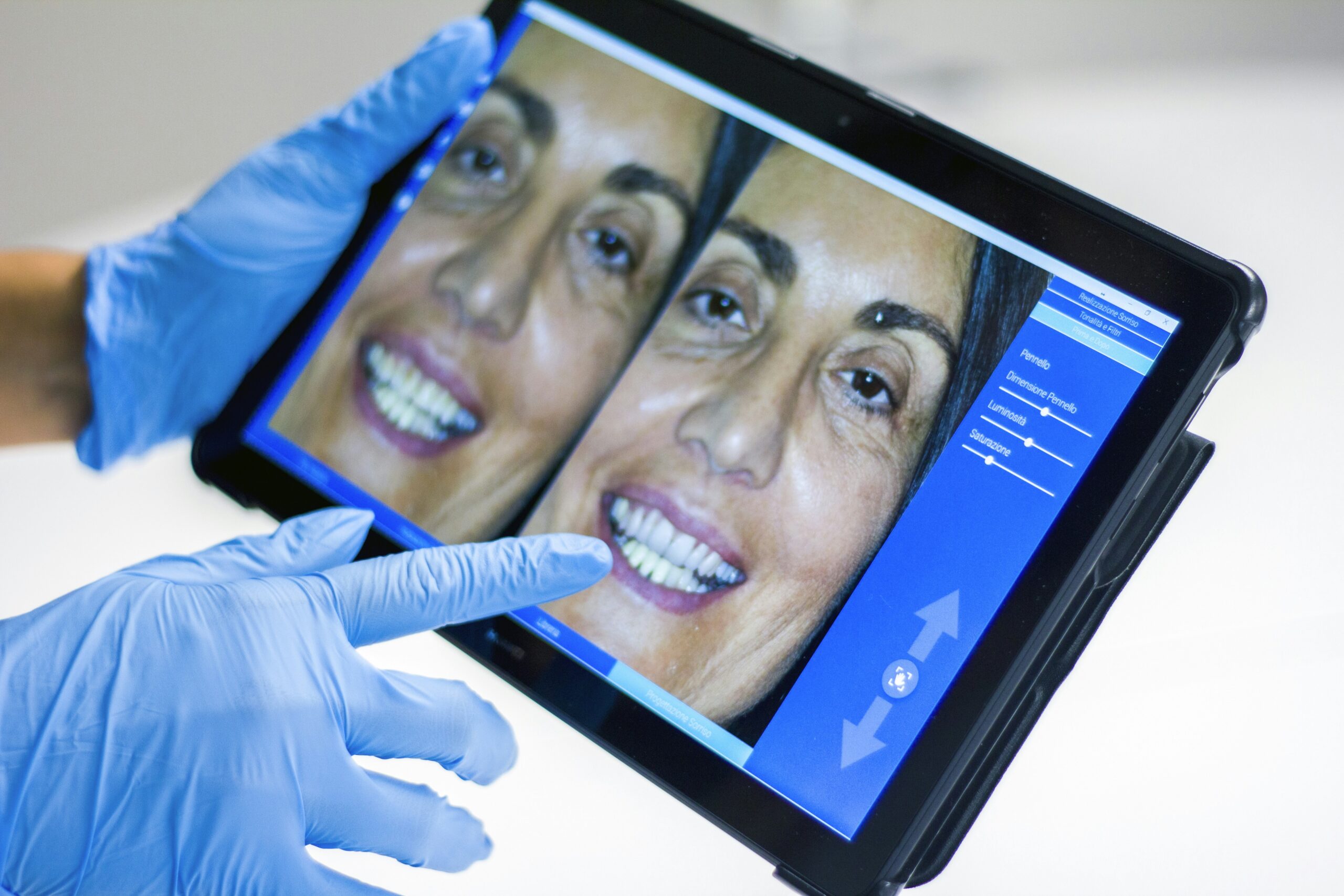
Interactive, visual tools are key for case acceptance. Use high-definition monitor displays or tablets to show patients their intraoral scans, X-rays, and CBCT images. Software that offers simulated treatment outcomes—like previews of cosmetic work or orthodontic progression—helps patients visualize the end result, making them more likely to commit to necessary treatment.
Teledentistry Solutions
Teledentistry has evolved from a pandemic stopgap to a permanent fixture. It facilitates initial consultations, post-op check-ins, and minor follow-ups, improving access to care for patients with mobility issues or busy schedules. A secure, HIPAA-compliant video platform is essential for modern practice flexibility.
Operational Efficiency & Behind-the-Scenes Tech
The right tools can optimize every aspect of practice operations.
In-Office Milling & 3D Printing
For practices aiming to offer same-day dentistry, CAD/CAM systems and 3D printers are revolutionary. Milling a crown in a single visit eliminates the need for temporaries and a second appointment. 3D printers expand capabilities further, allowing for the production of surgical guides, models, and retainers on-demand, reducing lab costs and turnaround times.
Automated Inventory Management
Smart inventory systems use sensors and software to track supplies in real-time. They can automatically generate purchase orders when stock is low, preventing emergencies and ensuring you never run out of essential materials. This reduces waste and frees up staff for more critical tasks.
Cybersecurity: The Non-Negotiable Safeguard
As practices become more digital, they become bigger targets. Cybersecurity is not an optional add-on; it’s a fundamental component of your technology stack. Ensure your practice employs a robust firewall, uses encrypted data transmission, enforces strong password policies with multi-factor authentication, and conducts regular staff training on phishing awareness. Partner with an IT professional who understands HIPAA compliance to protect your practice and your patients’ sensitive data.
Looking Ahead: The Role of AI and Data Analytics
The future is predictive and personalized. Emerging AI tools are beginning to analyze practice data to identify trends, predict no-shows, and even suggest optimal scheduling. Data analytics can provide insights into production, case acceptance rates, and treatment planning efficiency, enabling data-driven decisions to grow your practice strategically.
Photo Credits
Photo by Quang Tri NGUYEN on Unsplash

Leave a Reply