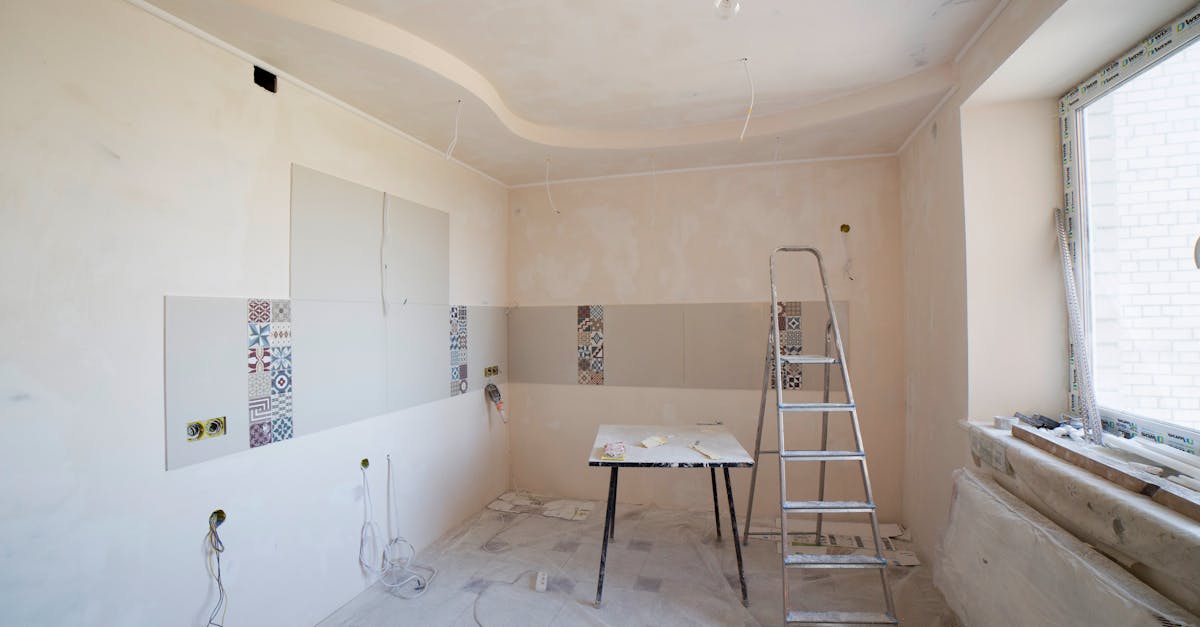
Why a Strategic Renovation Plan Matters
The decision to renovate is often driven by a desire for more space, better function, or a fresh aesthetic. Without a clear plan, however, even the most exciting project can quickly become a source of stress and overspending. A smart renovation starts not with picking paint colors, but with defining your core objectives.
Whether you are planning a full home remodel or a single room refresh, the goal is to align your vision with practical execution. This guide will walk you through the key stages of a successful home renovation, from initial budgeting to final touches, helping you avoid common pitfalls and maximize your return on investment.
Setting a Realistic Budget for Your Home Renovation
Budget is the backbone of any successful home improvement project. A common mistake is underestimating costs, which can lead to stalled work or compromised quality. A detailed budget provides a clear roadmap and prevents financial surprises.
Key Budgeting Steps
- Define Scope: Clearly list every element of your renovation. A vague plan leads to vague costs.
- Get Multiple Quotes: For major work like a kitchen renovation cost estimate, obtain at least three detailed bids from licensed contractors.
- Add a Contingency Fund: Set aside 15-20% of your total budget for unexpected issues like hidden water damage or structural repairs.
- Prioritize Spending: Allocate more funds to high-impact areas like cabinetry, countertops, and flooring, which see daily use.
Remember that material costs can vary significantly. Researching and selecting materials early in the process locks in prices and helps you stick to your financial plan. A well-managed budget allows you to make confident decisions without sacrificing your vision.
Modern Design Trends for Increased Functionality
Today’s house remodeling ideas focus on creating spaces that work harder for you. The trend is moving away from purely decorative features toward designs that enhance daily living. Key elements include open floor plans, multi-functional furniture, and integrated smart home technology.
Trends That Deliver Value
- Open Concept Living: Removing non-structural walls creates a sense of spaciousness and improves natural light flow.
- Durable Materials: Quartz countertops, luxury vinyl plank flooring, and ceramic tile offer longevity and easy maintenance.
- Smart Home Integration: Programmable thermostats, smart lighting, and automated blinds improve energy efficiency and convenience.
- Indoor-Outdoor Connection: Large sliding doors and consistent flooring materials blur the line between interior and exterior spaces.
When planning your design, consider how you actually live in your home. A layout that supports your daily routines—from cooking to working to relaxing—will provide the greatest long-term satisfaction. These choices also appeal to future buyers, making your property more marketable.
Kitchen Renovation: Balancing Cost and Impact
The kitchen is often the heart of the home and a top priority for homeowners. Understanding the kitchen renovation cost breakdown is crucial for making smart trade-offs. A full gut renovation is expensive, but strategic upgrades can yield significant improvements.
Smart Kitchen Upgrades
- Reface Cabinets: Instead of replacing cabinets, refacing them with new doors and hardware can save up to 50% of the cost.
- Upgrade Countertops: A durable, attractive surface like quartz or granite instantly modernizes the space.
- Improve Lighting: Layered lighting—under-cabinet, pendant, and recessed—enhances both function and ambiance.
- Install a Backsplash: A stylish tile backsplash is a relatively low-cost way to add personality and protect walls.
Focus your budget on elements you touch and use daily. High-quality faucets, efficient appliances, and ample storage provide the greatest return on investment. A well-planned kitchen renovation can recoup 60-80% of its cost when you sell your home.
Bathroom Remodeling Tips for Better ROI
Bathrooms are another high-return area for home improvement projects. Even a modest remodel can dramatically improve your daily experience and property value. Following key bathroom remodeling tips ensures you get the most from your investment.
Essential Bathroom Improvements
- Update Fixtures: Replacing an old vanity, toilet, and sink with modern, water-efficient models creates a fresh look.
- Improve Ventilation: A properly sized exhaust fan prevents mold and moisture damage, protecting your investment.
- Add Storage: Built-in shelving, a medicine cabinet, or a vanity with drawers keeps clutter off counters.
- Consider a Walk-In Shower: Replacing a tub with a curbless shower improves accessibility and appeals to a wider range of buyers.
Neutral color palettes and classic tile patterns offer the broadest appeal. Avoid highly personalized design choices that might deter future buyers. A clean, bright, and functional bathroom is a powerful selling point.
Navigating the Renovation Planning Guide
Effective project management is as important as design choices. A structured renovation planning guide helps you stay organized and on schedule. Start by creating a detailed timeline that accounts for permitting, material lead times, and contractor availability.
Key Planning Steps
- Research Permits: Check local requirements for structural changes, electrical work, and plumbing. Unpermitted work can cause problems when selling.
- Hire Professionals: Vet contractors thoroughly. Check licenses, insurance, and references before signing a contract.
- Create a Communication Plan: Establish a clear point of contact and regular check-in schedule with your contractor.
- Prepare for Disruption: Plan for temporary living arrangements if your kitchen or bathroom will be out of service for an extended period.
A solid plan reduces anxiety and keeps the project moving forward. By anticipating challenges and having clear processes in place, you can enjoy the transformation process with fewer headaches.
Increasing Long-Term Property Value
Ultimately, smart home improvement projects should enhance your quality of life and build equity. Focus on improvements that offer broad appeal and address common buyer desires. Energy-efficient windows, updated HVAC systems, and modernized kitchens and bathrooms consistently provide strong returns.
Avoid over-improving for your neighborhood. A house that is significantly more expensive than its neighbors may be harder to sell. Instead, aim for a renovation that is appropriate for your market while still meeting your personal needs.
By following a strategic approach to home renovation, you can create a living space that is both beautiful and functional. The key is to plan carefully, budget wisely, and make choices that serve your lifestyle today while protecting your investment for the future. Start your renovation planning guide today and turn your vision into a reality.

Leave a Reply